Dress watch etiquette: the rules worth keeping
What makes a watch a dress watch, how to wear one with a suit or black tie, why white tie traditionally means no watch at all, and which old rules you can relax.
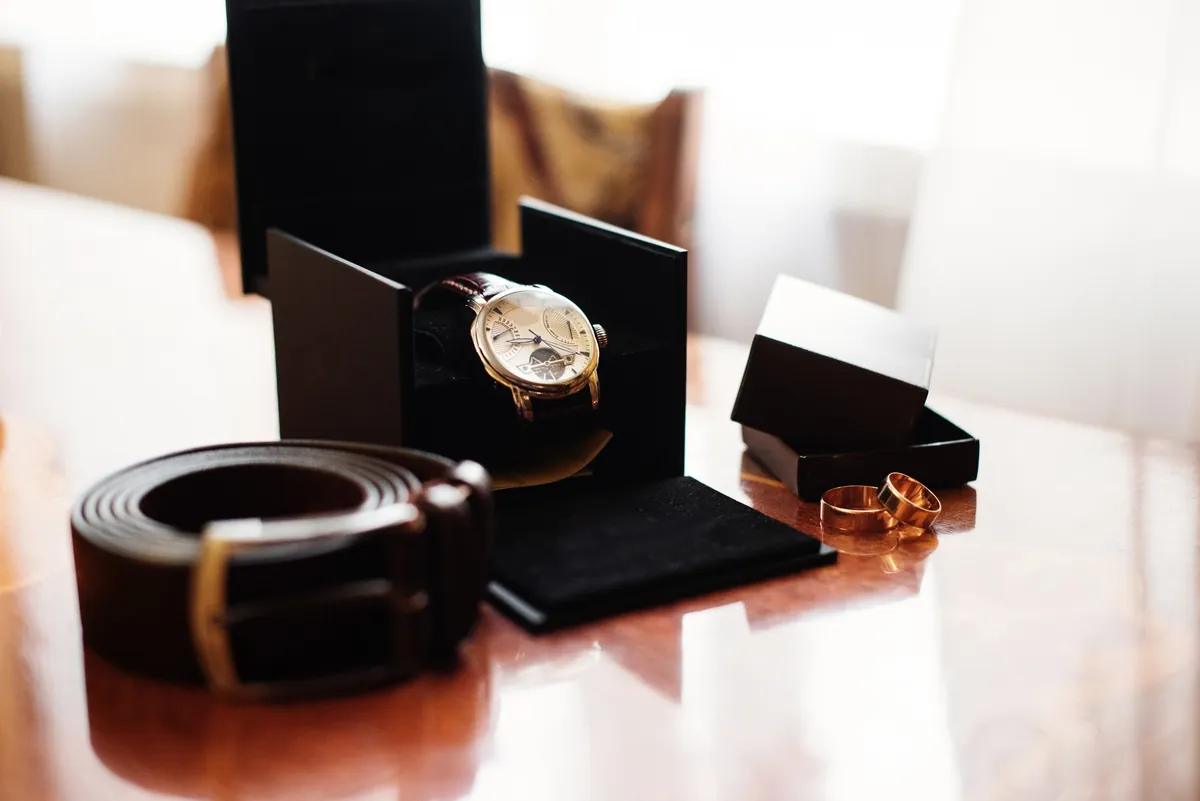
Most watch rules sound fussy until you understand where they come from. The conventions around the are mostly about proportion and discretion: a watch that sits quietly under a cuff, matches the rest of what you are wearing and never draws attention away from the occasion. Some of those rules are still worth keeping. Others can be relaxed without anyone noticing.
What makes a dress watch
A classic dress watch is defined less by its brand than by its proportions. Above all, it is thin, thin enough to slip under a shirt cuff without catching. A thick case pushes the cuff up and spoils the line of a shirt and jacket, which is exactly what a dress watch is meant to avoid.
Thinness often begins with the movement inside. A hand-wound movement has no rotor, the weighted part that winds an automatic watch as you move, so it can be made slimmer. That is one reason why many classic dress watches are wound by hand, which turns winding the watch each morning into a small daily ritual.
The dial is simple. Often it shows only the hours and minutes, sometimes with a sub-dial. The more functions a watch has, the busier the dial becomes, and the further it moves from the dress watch ideal. Clean hands, clear markers and plenty of open space are the signs to look for.
The strap is leather, usually black or dark brown. A metal bracelet belongs to a different kind of watch: it is practical and sporty, but it is heavier on the wrist and catches the light in a way that a dress watch traditionally avoids.
Metals and size
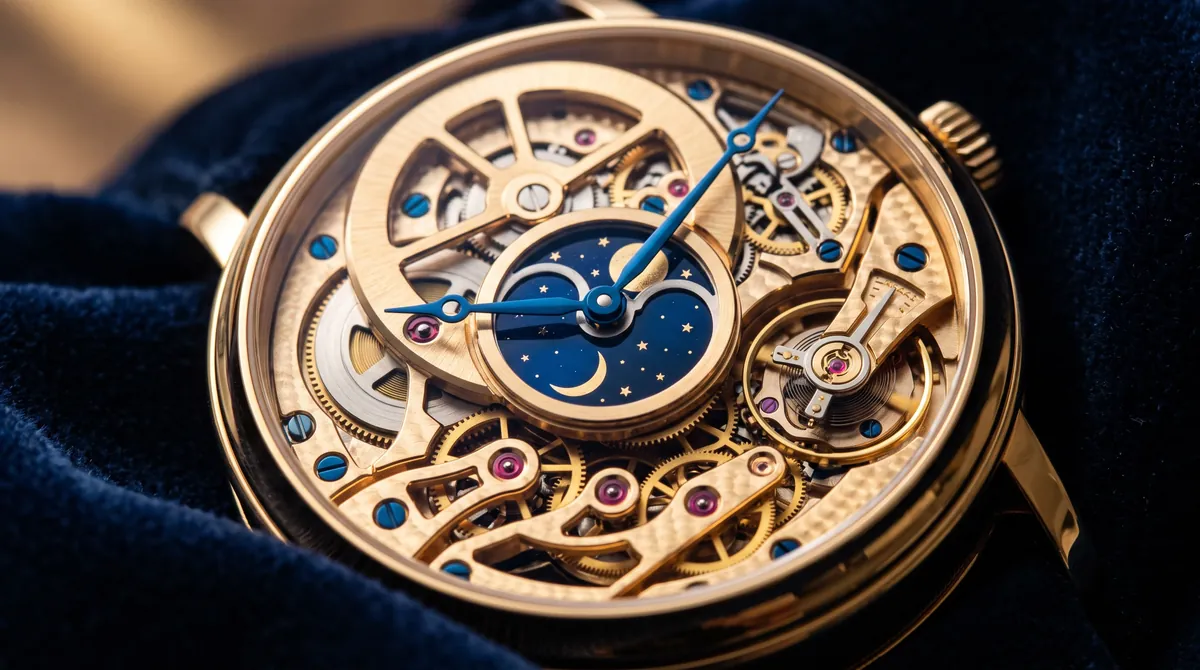
Precious metal cases, in gold or platinum, are the traditional choice. A gold dress watch on a dark leather strap is one of the most recognisable images in classic menswear, and it suits both day and evening wear without effort.
Size matters as much as material. Case sizes for classic dress watches are often between about 34 and 40 mm. Larger cases became fashionable in the decades when sports watches dominated, but a dress watch reads best when it is in proportion with the wrist and the cuff. If in doubt, a slightly smaller case usually looks more elegant than a slightly larger one.
With a suit and with black tie
With a business suit you have the most freedom. A dress watch is ideal, but a simple steel watch on a leather strap is perfectly correct, and many people wear the same watch every day of the week. What matters is that the watch disappears under the cuff when your arm is at rest and appears only when you need it.
For the tradition is a little stricter, but a slim dress watch is accepted. The thinner and plainer, the better: a gold or platinum case, a white or black dial, a black leather strap. Large sports watches, chunky chronographs and bright bracelets sit awkwardly with a dinner jacket, which is built around clean lines and very little decoration.
What matters is that the watch disappears under the cuff when your arm is at rest and appears only when you need it.
White tie: the strictest rule
is the most formal dress code there is, and here the strict tradition is clear: no wristwatch at all. If you need to know the time, a pocket watch is the traditional answer, kept discreetly in the waistcoat.
The usual explanation is one of courtesy. At the grandest evening occasions, a guest is not supposed to be thinking about the time, and glancing at a wristwatch can suggest that you would rather be elsewhere. Whatever its origins, the rule is still followed by many at the most traditional events, and it is the one rule in this guide worth keeping without exception if you want to be correct.
Matching metals and leathers
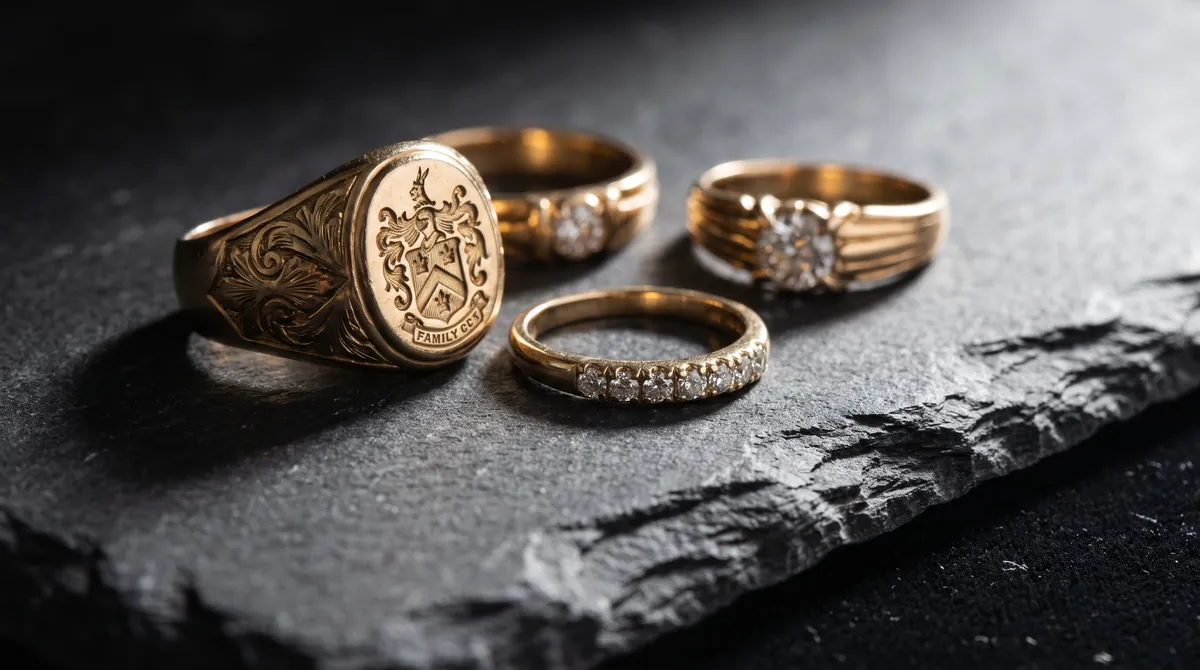
Two further conventions concern harmony rather than formality. The first is matching metals. Many people match the watch case to their cufflinks, belt buckle or other jewellery, so that yellow gold appears with yellow gold, and white metals with white metals. It is a small detail, but it makes an outfit look considered.
The second concerns leather. Traditionally the colour of the strap is matched to the shoes and belt: a black strap with black shoes, a brown strap with brown shoes. If you own one dress watch, a black strap is the safer choice for evening wear, and a spare strap in dark brown makes the same watch suitable for daytime.
Which rules are flexible today
Dress codes have relaxed, and so has watch etiquette. Few people at a business dinner will notice whether your strap exactly matches your shoes, and a steel watch is now widely worn in settings where gold was once expected. Matching metals is a refinement rather than an obligation. In the same spirit, a small and discreet date window rarely looks out of place, even if the purist dress watch does without one.
What remains worth keeping is the underlying idea. A dress watch should be thin, simple and in proportion. It should not compete with the occasion. And at white tie, where tradition is the whole point, leaving the wristwatch at home is still the most elegant choice.
Glossary
- Dress watch
- A thin, simple watch with a leather strap, designed to slip under a shirt cuff.
- Small seconds
- A small sub-dial showing the seconds, often found on classic dress watches.
- Black tie
- Formal evening dress built around a dinner jacket; a slim dress watch is accepted.
- White tie
- The most formal evening dress code; strict tradition calls for no wristwatch at all.
Questions readers ask
Can I wear a steel watch with a suit?
Yes. Precious metal cases in gold or platinum are the traditional choice for a dress watch, but a simple steel watch on a leather strap is perfectly correct with a business suit. What matters more is that the watch is thin enough to slip under your shirt cuff and that its dial is simple and uncluttered.
Why is no watch worn with white tie?
The strict tradition at white tie, the most formal dress code, is to wear no wristwatch at all. The usual explanation is courtesy: at a grand evening occasion a guest should not appear to be watching the time. If you need to know the time, the traditional answer is a pocket watch kept in the waistcoat.
Should my watch match my cufflinks?
Many people match the metal of the watch case to their cufflinks, belt buckle or other jewellery, for example yellow gold with yellow gold. It is a refinement rather than a strict rule. If you follow it, the outfit looks considered; if you do not, very few people will notice, except perhaps at the most formal events.