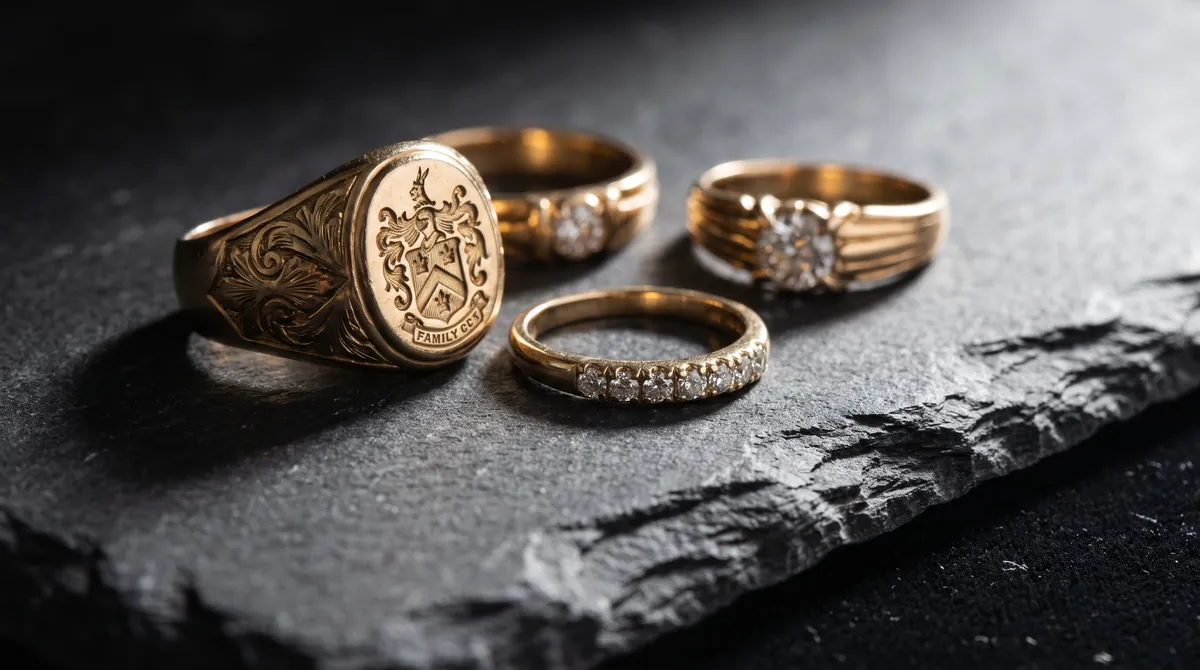

Signet rings: heraldry you can wear
Once a working tool for sealing letters, the signet ring is now a quiet emblem of family and identity. How it works, what to engrave and on which finger it goes.
Try “pearls”, “Cullinan” or “hallmark”. Press Esc to close.
Tool
Convert between UK, US, EU and Swiss ring sizes, and check a ring against a true size circle on your own screen.
Every ring size describes the inside of the ring. Continental Europe and the ISO standard simply use the inside circumference in millimetres, so an EU 54 ring measures 54 mm around the inside. The United Kingdom, Ireland and Australia use letters from A to Z, each full letter adding about 1.25 mm of circumference. The United States and Canada use numbers, where one full size adds about 0.81 mm to the inside diameter. Switzerland counts the circumference minus 40, so Swiss 14 equals EU 54.
Because the systems grow in different steps, a conversion is always to the nearest size. Charts from different makers can differ by half a size, so treat the result as a very good starting point, not a certificate.
Fingers are slightly larger in the evening and in warm weather, so measure at the end of the day and at room temperature. A wide band, such as a signet ring, usually needs about half a size more than a slim one. If your knuckle is much larger than the base of your finger, choose a size that slides over the knuckle and ask about sizing beads or a comfort fit.
Yes. Australia and New Zealand use the same alphabetical system as the United Kingdom and Ireland, so a UK N is an Australian N. Small differences can appear between makers, which is why we always recommend confirming with the jeweller who will make or resize the ring.
Without calibration the circle assumes a standard pixel density and may be off. After you calibrate with a bank card, the circle is drawn at true size on that screen and in that browser. Measure with your eyes level to the screen and let the ring rest flat on the glass.
Read more
Once a working tool for sealing letters, the signet ring is now a quiet emblem of family and identity. How it works, what to engrave and on which finger it goes.
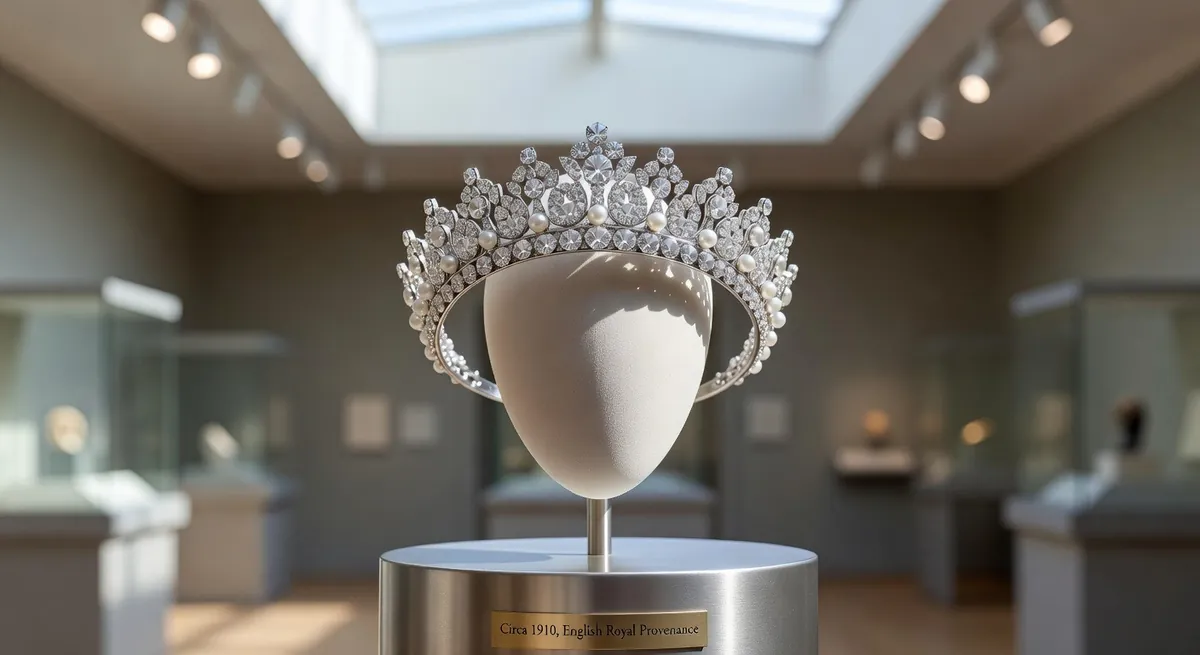
From the wreaths of antiquity to Napoleon’s court and modern royal weddings: where the tiara came from, the styles to know and the rules that still apply.
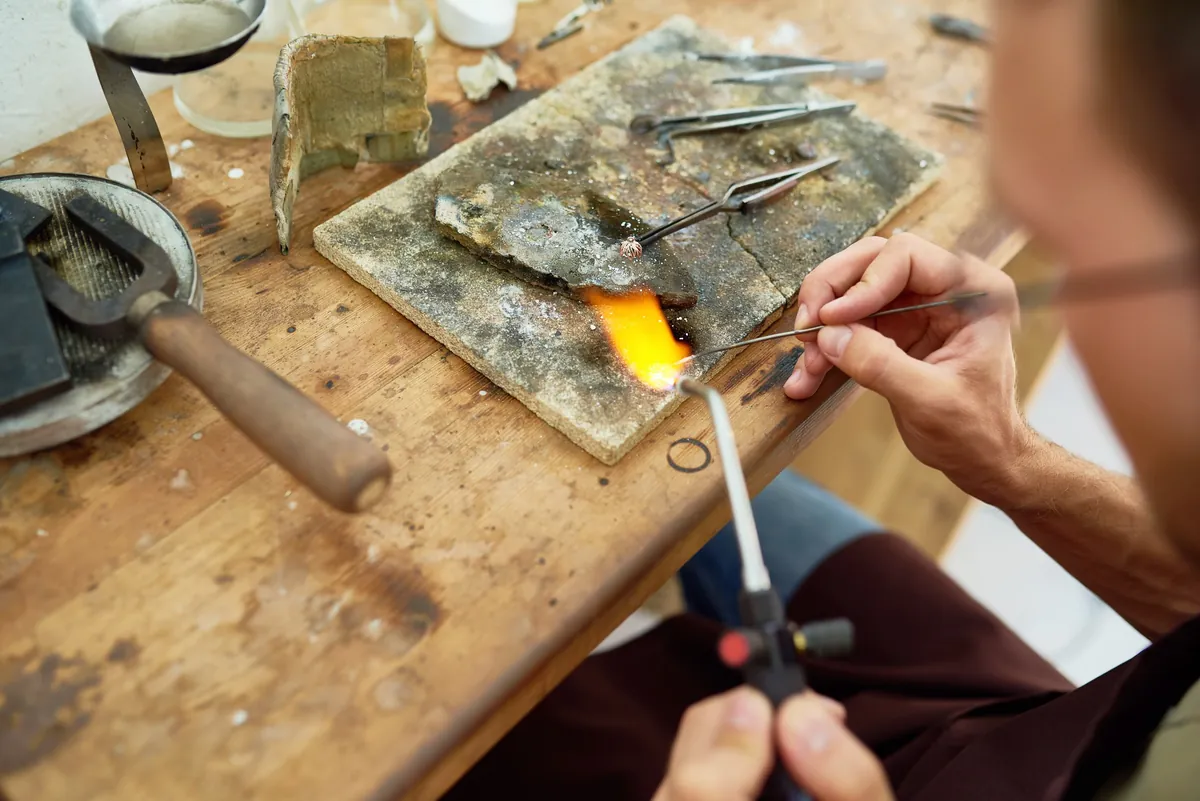
From sketch and wax model to casting, setting and polish: how a piece of fine jewellery is made, and what the numbers stamped on gold really mean.