Europe’s royal houses: a guide to the dynasties
Windsor, Bernadotte, Grimaldi, Orange-Nassau and Glücksburg: where Europe’s royal houses come from, how they got their names and how succession works.
Europe still has a remarkable number of monarchies, and behind each one stands a dynasty with its own name, history and rules of inheritance. Some houses trace their rule back to the Middle Ages; others took their present names in the nineteenth or twentieth century. This guide explains where the main royal houses come from and how a crown passes from one generation to the next today.
How a royal house gets its name
A is the family line from which a country’s monarchs come. Its name usually comes from a place, such as a castle or territory associated with the family, or from the surname of a founder. Because the name has traditionally passed through the male line, a house can change when a marries and her children inherit their father’s dynastic name.
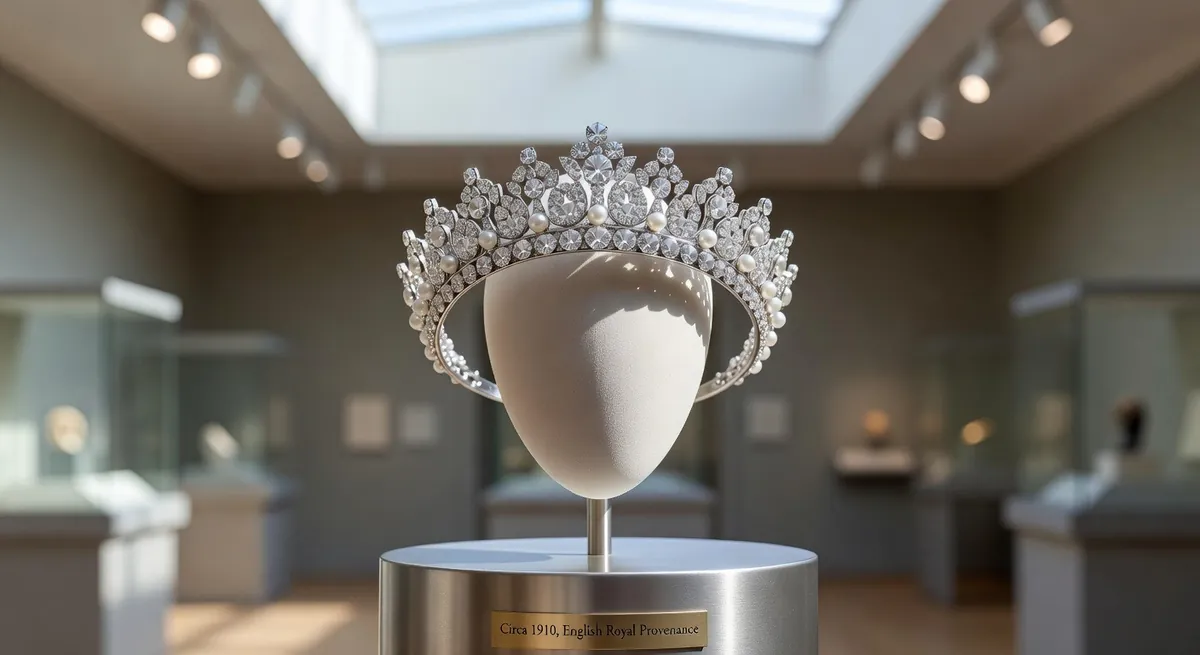
Britain shows both mechanisms at work. Queen Victoria married Prince Albert of Saxe-Coburg and Gotha, so their son Edward VII became the first British monarch of that house. In 1917, during the First World War, King George V replaced the German name with Windsor, taken from Windsor Castle.
The choice was deliberate. A castle that had been a royal residence since the Middle Ages gave the dynasty a name rooted firmly in English history, at a moment when a German dynastic name had become a burden. It remains the name of the British royal house.
Old houses: Grimaldi, Orange-Nassau and Bourbon
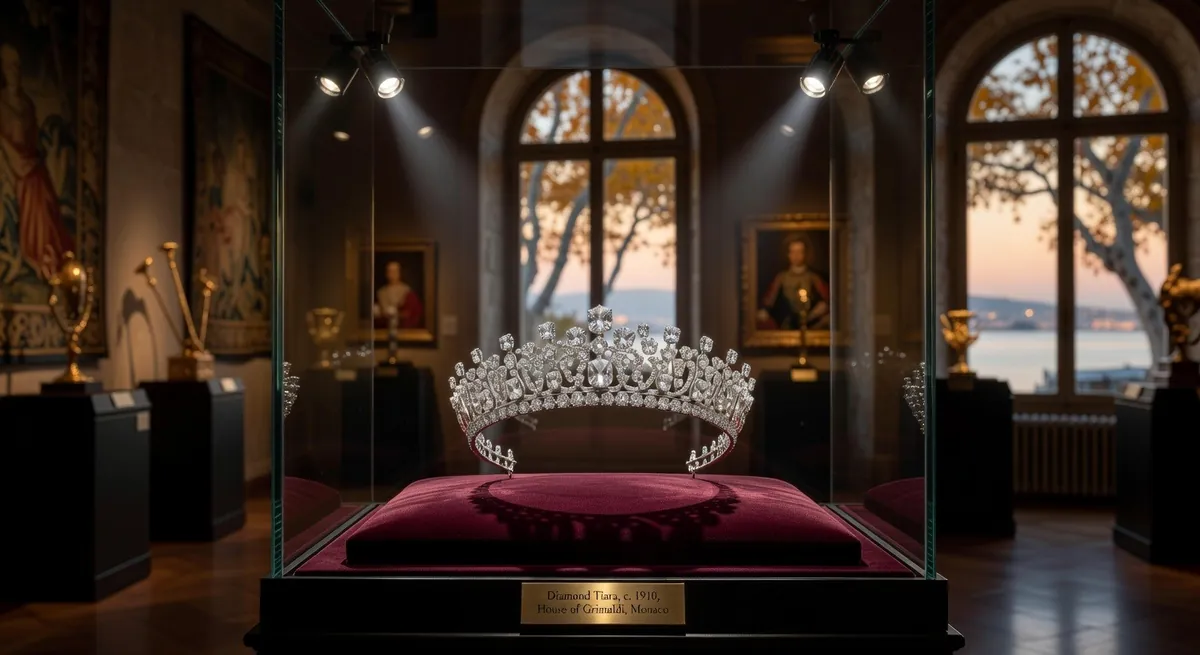
The House of Grimaldi has ruled Monaco since 1297, with interruptions, which makes it one of the longest established ruling families in Europe. Liechtenstein offers a different story: the princely family gave its name to the country, which became a within the Holy Roman Empire in 1719. Few states in the world are named after the family that rules them.
The Netherlands is ruled by the House of Orange-Nassau. The name joins the German county of Nassau, the family’s original home, with the principality of Orange in southern France, which the family inherited in the sixteenth century. Orange is long gone as a territory, but the colour lives on: the orange worn by Dutch crowds on national occasions comes directly from the dynasty.
Spain is ruled by the House of Bourbon, in the line known as Bourbon-Anjou. It descends from Philip V, a grandson of Louis XIV of France, who became King of Spain in 1700. Before his accession he was Duke of Anjou, which is where the second half of the name comes from.
Newer dynasties: Bernadotte, Glücksburg and Belgium
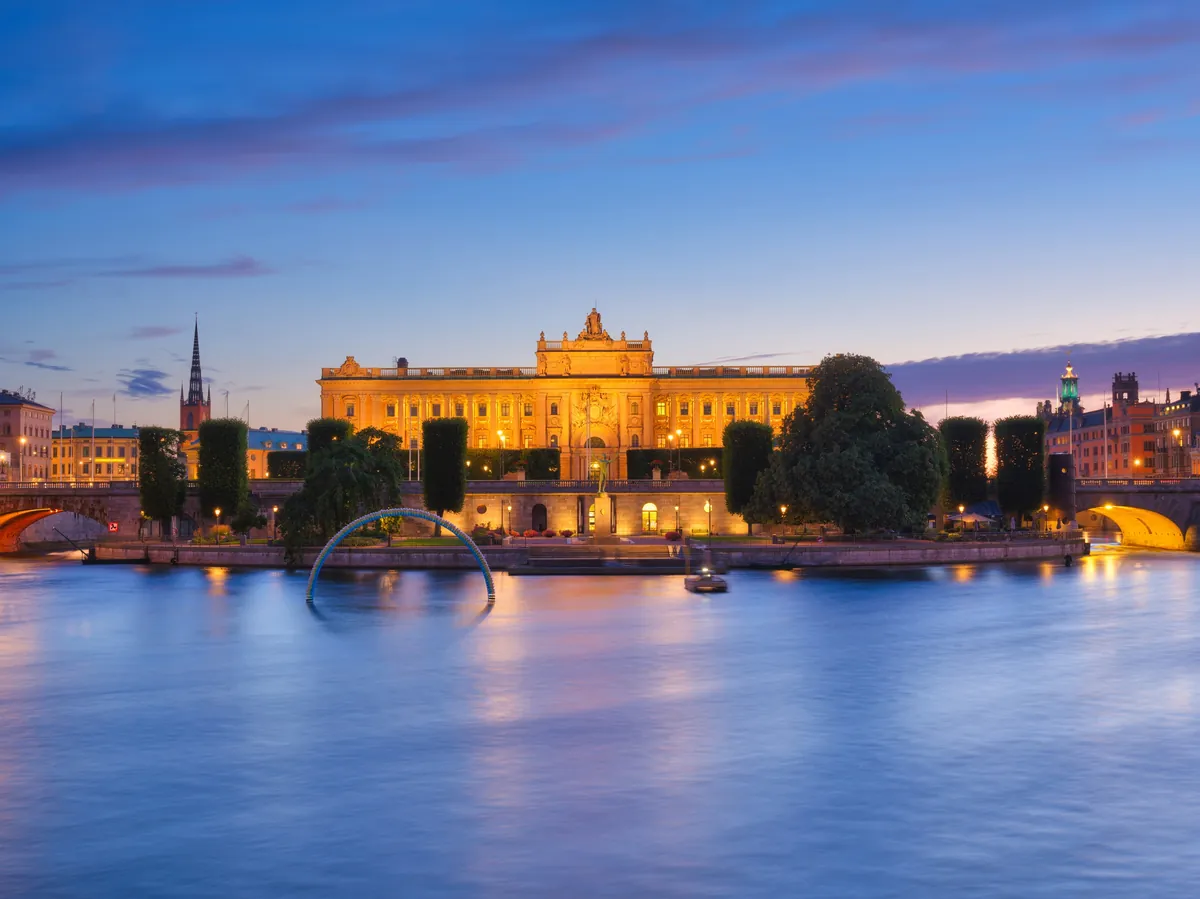
The House of Bernadotte has reigned in Sweden since 1818. Its founder was a French marshal, Jean-Baptiste Bernadotte, who was chosen as heir to the Swedish throne and became King Charles XIV John. A soldier of the French Revolution and of Napoleon thus founded one of Europe’s most enduring royal houses.
A soldier of the French Revolution and of Napoleon thus founded one of Europe’s most enduring royal houses.
Denmark and Norway are ruled by branches of the House of Glücksburg, a German ducal line named after a castle in Schleswig-Holstein. The two lines share their roots because Norway’s modern royal family began in 1905, when a Danish prince was chosen as King of Norway and took the name Haakon VII. Since then the two Scandinavian courts have been linked by both history and kinship.
Belgium’s royal house is a branch of the House of Saxe-Coburg and Gotha, which makes it a cousin of the line that once reigned in Britain under that name. Leopold I, the first King of the Belgians from 1831, was an uncle of Queen Victoria. Dynastic Europe was, in many ways, one large family.
How succession works today
For centuries, succession in European monarchies favoured men. Some crowns passed only through the male line; others allowed a daughter to inherit only when she had no brothers. In the late twentieth century this began to change.
Several monarchies have since introduced absolute or equal primogeniture, under which the eldest child inherits regardless of sex. Sweden led the way, and others followed over the next three decades.
- Sweden: 1980
- Netherlands: 1983
- Norway: 1990
- Belgium: 1991
- Denmark: 2009
- United Kingdom: Succession to the Crown Act 2013
The British act applies to those born after 28 October 2011. It also ended the rule under which an heir who married a Roman Catholic lost their place in the line of succession.
Not every monarchy has made the change. In Spain the constitution still gives preference to a male over a female of the same degree, and in Liechtenstein the princely title passes only through the male line. Succession law, in other words, still reflects each country’s own history and traditions.
Constitutional monarchy in practice
Most European monarchies today are constitutional monarchies. The monarch is head of state with largely ceremonial powers, while elected governments and parliaments hold political power. In many countries the monarch opens parliament, receives ambassadors and confers honours, but stands above party politics. In each country it is the constitution, written or unwritten, that sets out what the monarch may and may not do.
That is why dynastic history still matters. A royal house is not just a family tree but a visible link with centuries of national history. Its name, its symbols and its rules of succession tell you a great deal about the country it serves.
Seen side by side, Europe’s royal houses tell a shared story. Marriages linked them, wars tested them and reforms reshaped them, yet each has kept a name that connects the present with a long past. Knowing those names is the first step to understanding the monarchies themselves.
Glossary
- Royal house
- The dynastic family line from which a country’s monarchs come, usually named after a place or a founder.
- Absolute primogeniture
- A rule of succession under which the eldest child inherits the throne regardless of sex.
- Constitutional monarchy
- A system in which the monarch is head of state with largely ceremonial powers under a constitution.
- Queen regnant
- A queen who reigns in her own right, rather than as the wife of a king.
- Principality
- A state whose head is a prince, such as Monaco or Liechtenstein.
Questions readers ask
Why did the British royal family change its name in 1917?
During the First World War the German name of the house, Saxe-Coburg and Gotha, had become a burden. In 1917 King George V replaced it with Windsor, taken from Windsor Castle, which had been a royal residence since the Middle Ages. The new name was firmly English and has been the name of the British royal house ever since.
What does absolute primogeniture mean?
Absolute or equal primogeniture means that the eldest child inherits the throne regardless of sex. Sweden introduced it in 1980, followed by the Netherlands, Norway, Belgium and Denmark. The United Kingdom adopted it through the Succession to the Crown Act 2013, for those born after 28 October 2011. Before these reforms, sons were generally placed ahead of their sisters.