Quiet luxury: the codes of discreet wealth
Materials over logos, fit over fashion, repair over replacement: an essay on understated luxury and the royal habits it quietly borrows.
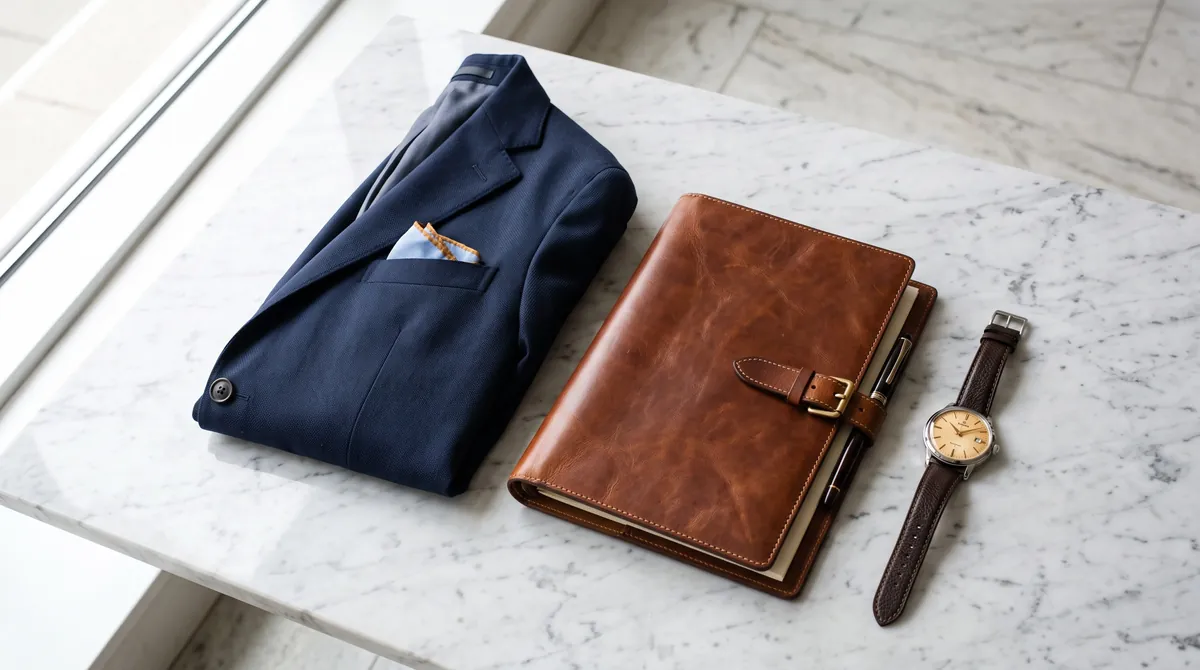

Some wealth announces itself. Another kind barely raises its voice: a coat that fits perfectly, a watch on a well worn strap, shoes that have been resoled more than once. Fashion media began calling this around 2023, but its codes are far older. They put materials before logos, maintenance before novelty and fit before fashion, and they owe a good deal to royal reserve.
A new name for an old habit
The phrase “quiet luxury” became widely used in fashion media from about 2023. Like many fashion labels, it gave a name to something that already existed. Long before anyone called it a trend, there were people who bought very good things, wore them for decades and saw no reason to show where they came from.
That last point is the key. Quiet luxury is not the absence of expensive things. It is the absence of any need to explain them. The pleasure lies in the object itself, in how it feels and how it lasts, not in what other people can read from it at a glance.
There is an irony in a trend built on not following trends, and it is worth keeping in mind. A look copied for a season misses the point entirely. What matters is the set of habits behind it, and those habits can be described quite precisely.
Materials before logos
The first code is material. Natural fibres and good leather carry the look: , linen, fine leather and, at the rarest end, . None of them needs a logo, because the quality shows in the way they drape, age and feel against the skin.
Vicuña is worth a moment of explanation. It is a wild camelid of the Andes, and its fibre is among the finest and rarest in the world. Its trade is regulated. It is the ultimate example of the code: you would have to touch it to know.
Colours follow the same logic. Neutral shades such as navy, grey, camel, cream and brown let the material speak, and they combine easily with one another. A small wardrobe in a calm palette can do a remarkable amount of work, and it rarely looks dated.
Fit before fashion
The second code is fit. Excellent fit carries no logo, yet it is the first thing an experienced eye notices. A collar that sits close to the neck, trousers that fall cleanly onto the shoe, a coat that allows movement without bulk: these are signals of care rather than of spending.
Fit also explains why the style tends to avoid fast trends. A silhouette that suits your body now will still suit it in ten years, while the shape of the season may not. The quiet approach is to find what works and then repeat it, with small refinements, for as long as it serves you.
A good tailor is therefore one of the most useful allies of the style. Small alterations, such as a shortened sleeve or a waist taken in, often do more for an outfit than a new purchase ever could.
Maintenance before novelty
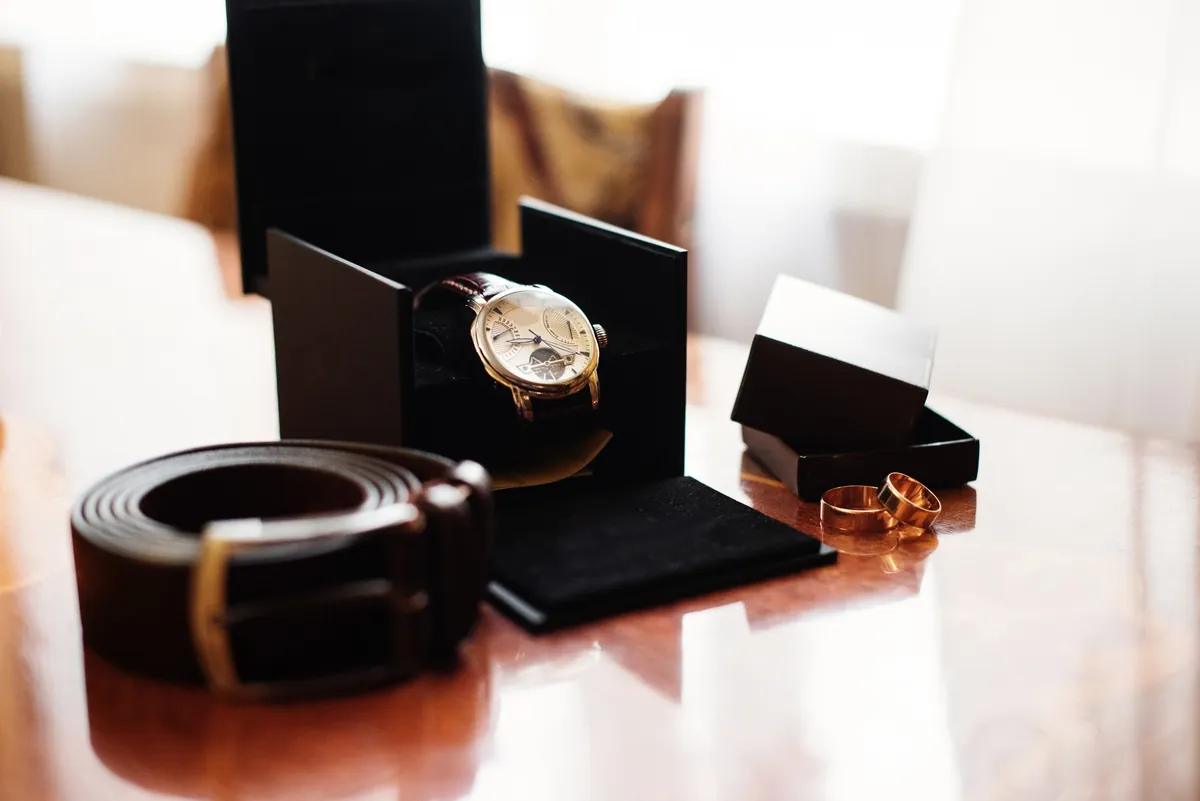
The third code is perhaps the most telling. Pieces are repaired and worn for years instead of being replaced. Leather goods develop a , shoes are resoled, watches are inherited and worn again. Each of these signals continuity, which is something money cannot buy quickly.
Each of these signals continuity, which is something money cannot buy quickly.
There is a practical side to this. A well made shoe can be resoled, a good coat can be relined and a mechanical watch can be serviced for generations. Choosing objects that can be maintained is the most direct route to owning things that look better with age, not worse.
Maintenance is also a relationship. A cobbler, a tailor or a watchmaker who knows your things becomes part of the style, because the repairs they make are what allow an object to stay in use. Finding good people to look after what you own is as much a part of the code as buying well in the first place.
The royal model: restraint by day
Royal dress codes have long favoured discretion in daytime wear. Tailored coats, hats, low heels and small jewellery are the classic look for public engagements, practical for long days and respectful of the occasion. Splendour is reserved for state occasions, when tiaras, orders and formal gowns appear. Small jewellery by day shows the principle well: a brooch or a single strand of pearls can carry personal meaning without competing with the occasion itself.
This separation is the heart of the lesson. Royal style does not avoid magnificence, it places it. By keeping daytime dress restrained, the moments of full splendour carry more meaning. Old money style borrows exactly this rhythm: understatement most of the time, and real ceremony when it matters.
Living by the codes
You do not need a royal wardrobe to apply any of this. Buy fewer, better things in natural materials. Have them altered until they fit. Look after them, repair them and wear them often. Keep logos small or absent, and let one meaningful object, perhaps an inherited watch, carry the personal story.
Above all, resist the idea that quiet luxury is a look to be bought in one go. It is a habit built over years, and its most convincing versions are visibly lived in. Start small, with one object you intend to keep for a very long time, and let the rest follow.
Glossary
- Quiet luxury
- A term widely used in fashion media from about 2023 for understated, logo-free luxury built on materials and fit.
- Vicuña
- A wild camelid of the Andes whose fibre is among the finest and rarest in the world; its trade is regulated.
- Patina
- The soft sheen and darkening that leather and metals develop with age, use and care.
- Resoling
- Replacing the worn sole of a shoe so that the upper can be worn for many more years.
- Cashmere
- A soft, fine fibre from the undercoat of cashmere goats, prized for its warmth and lightness.
Questions readers ask
Is quiet luxury a new trend?
The phrase became widely used in fashion media from about 2023, but the habits it describes are much older. Buying natural materials, choosing excellent fit, avoiding visible logos and wearing things for years have long been part of discreet, old money style, and royal daytime dress has favoured similar restraint for generations.
How can I adopt quiet luxury without buying a new wardrobe?
Start with what you own. Have your best pieces altered so they fit well, repair shoes and leather goods rather than replacing them, and choose neutral colours that combine easily. When you do buy, choose natural materials such as cashmere, linen or fine leather, and prefer pieces with small or no logos that can be maintained for many years.
Why is vicuña so rare?
Vicuña is a wild camelid of the Andes, and its fibre is among the finest and rarest in the world. Its trade is regulated. That combination of wild origin, exceptional fineness and controlled trade makes vicuña one of the most exclusive natural fibres, and a perfect example of luxury that you notice by touch rather than by sight.