Heritage houses: why age matters in luxury
Garrard, Vacheron Constantin, Breguet, Chaumet, Hermès and more: how the oldest luxury houses began, and what their age means for craft, archives and value.

In many industries, being old is a mixed blessing. In luxury it is often the point. A founding date on a shop front promises continuity: workshops that have trained apprentices for generations, archives that remember orders, and a name tested by time. Here is how some of the oldest houses began, and what their age really means for the objects they make.
Jewellers to crowns and emperors
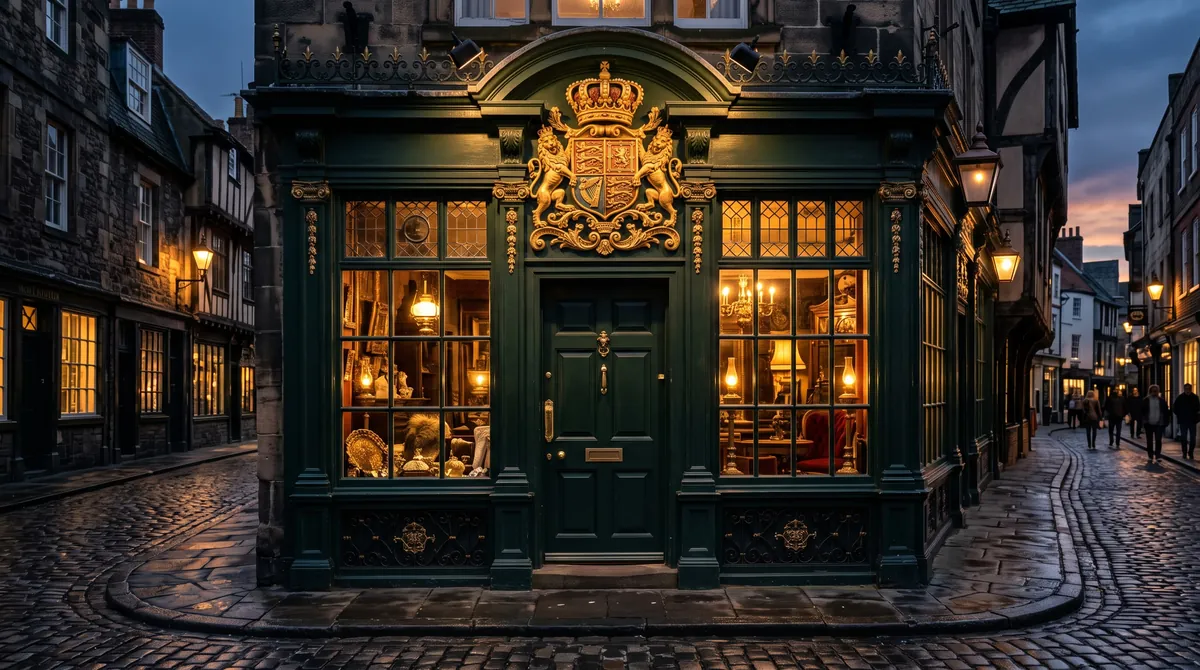
Garrard was founded in London in 1735 and served as from 1843 until 2007, placing it at the centre of British royal jewellery for well over a century and a half. Its workshop made the Lover’s Knot Tiara for Queen Mary in 1913 to 1914, a piece later lent to Diana, Princess of Wales, and since worn by Catherine.
In Paris, Chaumet traces its story to 1780, when Marie-Étienne Nitot founded the house. Nitot became jeweller to Napoleon, tying the firm to the splendour of the imperial court. Commissions like these gave young houses prestige and, just as importantly, a record of work that could be pointed to for generations.
Royal and imperial patronage worked in both directions. A court needed skilled makers it could trust with its most important pieces, and a maker gained a reputation that no advertisement could buy. Royal jewels are often known by the names of the people who wore them, which keeps the work of their makers in the public memory for generations.
Watchmakers with long memories
Vacheron Constantin was founded in Geneva in 1755 and is often cited as the oldest watch manufacturer in . Continuity is the important word. Some historic names in watchmaking disappeared for a time and were later revived, but a house that never stopped working has an unbroken chain of craftsmen, methods and records.
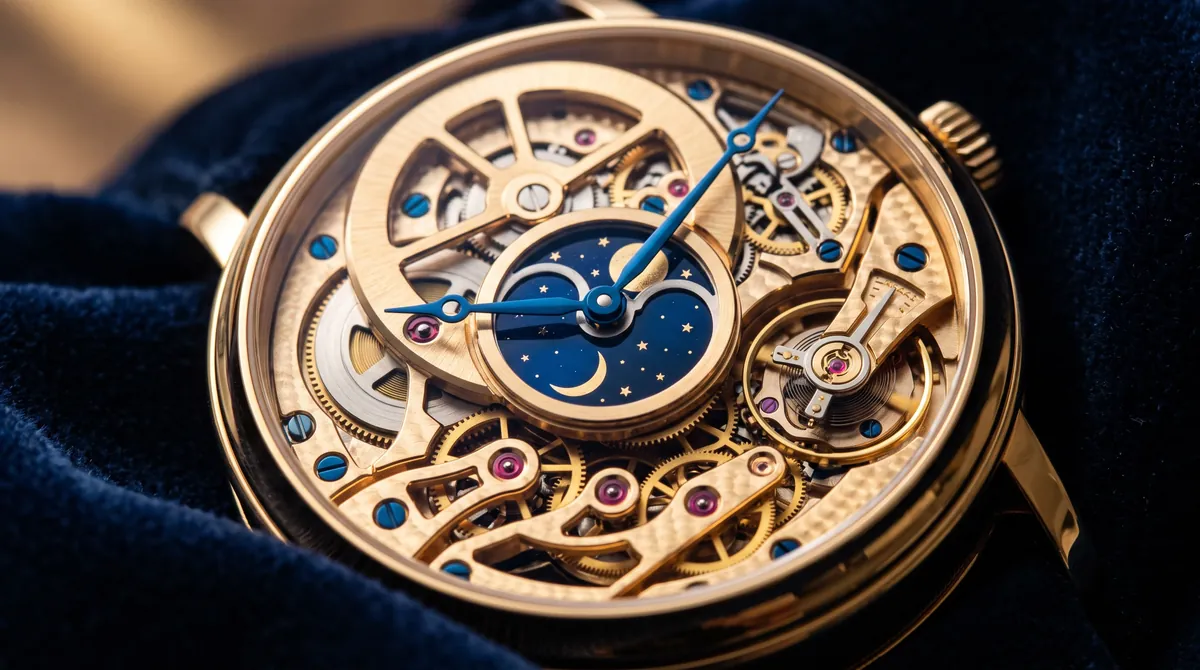
Abraham-Louis Breguet founded his house in Paris in 1775. He patented the there in 1801, and in 1810 Caroline Murat, Queen of Naples, commissioned from Breguet what is widely regarded as the first wristwatch. Two such milestones within a single decade show how closely technical invention and royal clients were linked.
Patek Philippe traces its origins to 1839 in Geneva. The house showed its watches at the Great Exhibition in London in 1851, and Queen Victoria owned watches by Patek Philippe, an early example of how international exhibitions and royal owners helped build a reputation. The Great Exhibition allowed makers to show their work to an international public on a scale never seen before.
Harness, trunks and jewels
Not every heritage house began with jewels or watches. Hermès was founded in Paris in 1837 by Thierry Hermès as a harness workshop, with its roots in leatherwork for horses. In the same year, 1837, Tiffany & Co. was founded in New York.
Cartier followed in Paris in 1847, Louis Vuitton in 1854 and Boucheron in 1858. Louis Vuitton, like Hermès, began with practical objects: travelling trunks. Between 1837 and 1858, Paris gained a remarkable cluster of houses whose names are still widely known. Cartier’s Santos, designed for the aviator Alberto Santos-Dumont in 1904, shows how such a house could move with its times, from the jewellery salon to the new world of flight.
A glance at the dates shows that every house in this article was founded within little more than a century, between 1735 and 1858. That period saw the rise of railways and international exhibitions, and with them a new, wider clientele for luxury.
What age gives a house
The first gift of age is craft. Skills such as engraving, enamelling, stone setting or hand stitching are passed from master to apprentice, and a house that has worked continuously for generations has had time to refine them. Age alone does not guarantee quality, but it offers the conditions in which quality can be kept. Continuity matters for repairs, too: a house with long experience of its own historic pieces understands how they were originally made.
The second is memory. Many houses keep archives of drawings, ledgers and orders. These records allow them to certify the origin of historic pieces, confirming what an object is and when it was made, and sometimes for whom. Such records can settle questions that expert opinion alone could never answer with the same certainty.
The third is value. For collectors, a certificate or from the original house adds confidence, and confidence is a large part of value at auction. A piece that can be traced to its own entry has a story a buyer can check, not just believe.
A piece that can be traced to its own ledger entry has a story a buyer can check, not just believe.
Reading heritage as a buyer
A founding date is a starting point, not a verdict. Over long histories, houses can change owners, close and be revived, and the name on a modern object may say little about where or how it was made. It is worth asking what has actually continued: the workshops, the techniques, the archive, or only the name.
Heritage is most meaningful when you can see it in the object itself, in the finishing, the construction and the documents that come with it. Treat the history as an invitation to look more closely, rather than a reason to stop looking.
Ask, too, how a house treats its own past. Some restore historic pieces, issue certificates from their archives or maintain museum collections, while others mainly use their founding date as a line in a catalogue. Only the first approach gives the date a practical meaning for you as an owner.
Glossary
- Crown Jeweller
- The jeweller appointed to care for the British Crown Jewels, a role Garrard held from 1843 until 2007.
- Archive extract
- A document issued by a house from its own records, confirming details such as the date and original configuration of a piece.
- Ledger
- A house’s written record of orders, sales and clients, often preserved in its archive.
- Continuous operation
- Working without interruption since founding, as opposed to a name that was dormant and later revived.
- Tourbillon
- A rotating cage carrying the escapement, patented by Abraham-Louis Breguet in Paris in 1801.
Questions readers ask
Which is the oldest watch manufacturer still in operation?
Vacheron Constantin, founded in Geneva in 1755, is often cited as the oldest watch manufacturer in continuous operation. The word continuous matters: some historic names in watchmaking disappeared for a time and were later revived, while a house that never stopped working can point to an unbroken line of craftsmen, methods and records.
Does an older house automatically make better products?
Not automatically. Age offers the conditions for quality, such as long trained workshops and refined techniques, but it is not a guarantee. Some houses have changed owners or been revived after closing, so it is worth asking what has actually continued. Judge each object on its finishing, construction and documentation, and treat heritage as a reason to look closely.
What is an archive extract and why does it matter?
Many historic houses keep archives of drawings, ledgers and orders. An archive extract is a document drawn from these records that can confirm the origin of a historic piece, such as when it was made and its original configuration. For collectors it adds confidence and supports value, and it should always be kept with the object.