Pearls, from royal portraits to modern layering
Why pearls became the jewel of queens, how natural and cultured pearls differ, the four main types to know and how to keep a strand beautiful for decades.
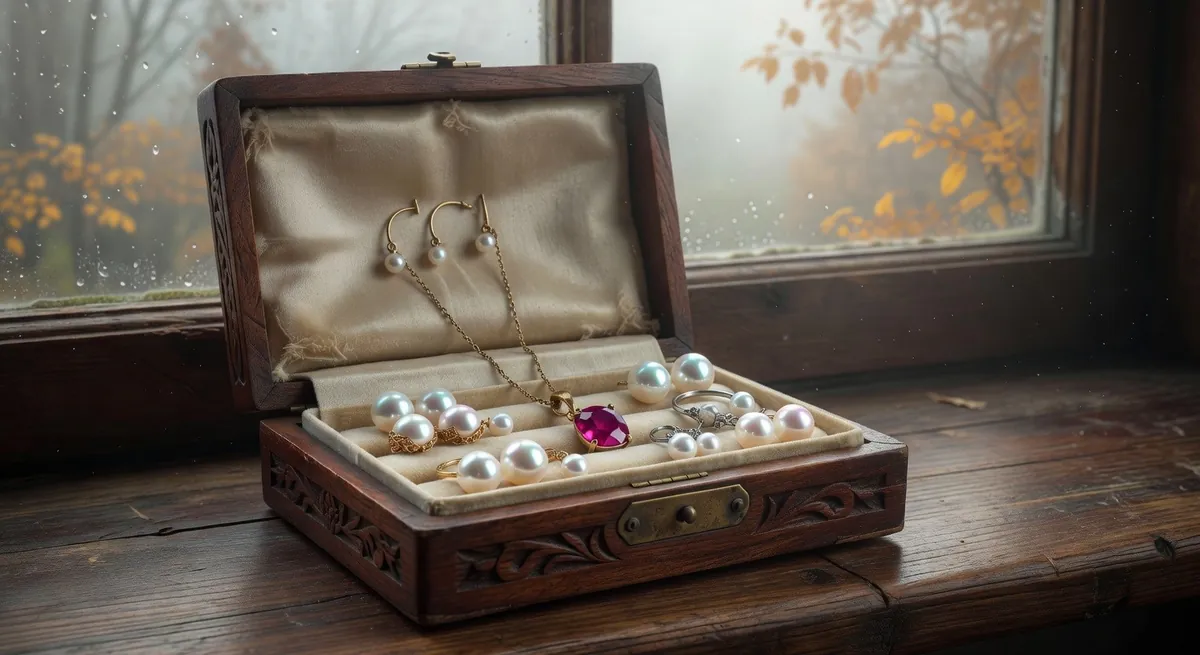

Look at almost any royal portrait painted before the 20th century and you will find pearls: ropes of them across a bodice, drops at the ears, strands woven into the hair. Pearls were once among the rarest jewels in the world, and their place in royal dress follows directly from that rarity. Today they are worn far more widely, layered over a jumper as easily as with an evening gown, but the story of how they got there is worth knowing.
Why pearls became a royal jewel
A pearl forms inside a mollusc when it coats a tiny irritant with layer upon layer of , the same lustrous material that lines many shells. A is one that forms in this way without any human intervention. For most of history that was the only kind, and finding one meant opening a very large number of shells.
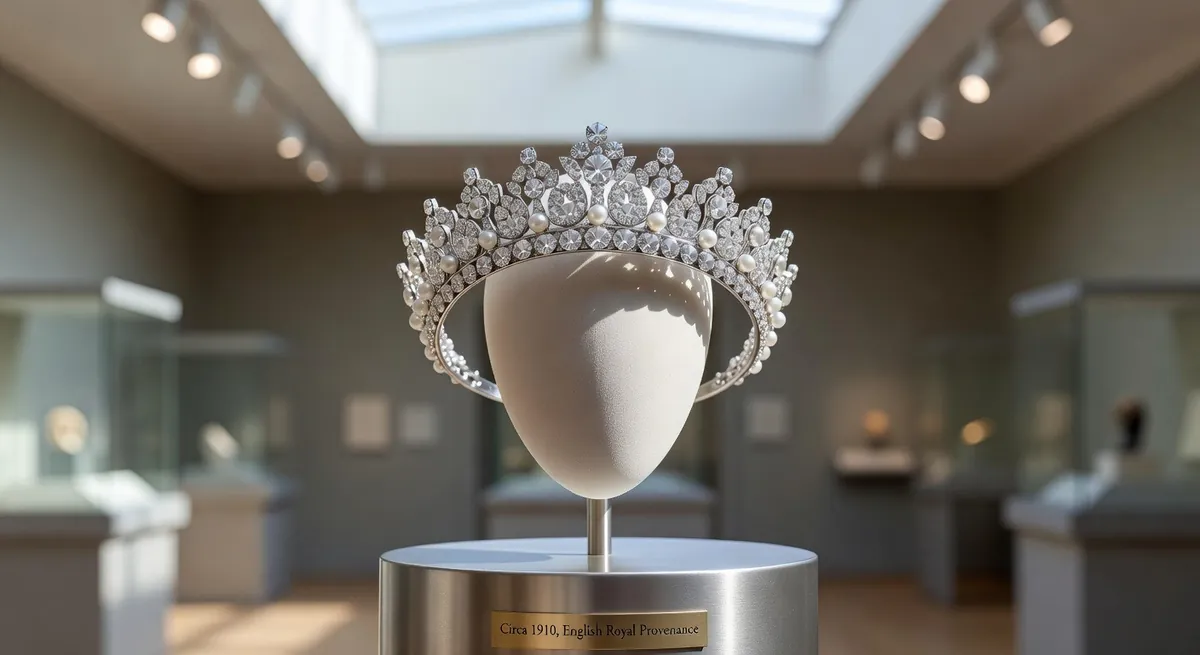
Natural pearls were therefore extremely rare, and for centuries they were among the most valuable jewels anyone could own. Monarchs wore them to show wealth and power, which is why they appear in so many royal portraits. Elizabeth I is the best known example: her portraits show pearls in remarkable quantity, sewn onto her clothes, hanging in long ropes and set in her hair.
Some individual pearls became famous in their own right. La Peregrina, a natural pearl once owned by Spanish monarchs and later by Elizabeth Taylor, sold at Christie’s in New York in 2011 for more than 11 million dollars. Few objects show so clearly how a pearl can carry both rarity and history.
Natural and cultured pearls
The great change came from Japan. Kokichi Mikimoto pioneered the culturing of pearls and obtained his first semi-spherical cultured pearls in 1893. In a a person starts the process by placing a nucleus or a small piece of tissue inside the mollusc, which then coats it with nacre exactly as it would coat a natural irritant.
A cultured pearl is therefore a real pearl, grown by a living animal. What differs is the beginning of the process, not the material. Telling the two apart usually requires a gemmological laboratory, because the difference lies inside the pearl rather than on its surface.
Culturing transformed the pearl. A jewel that had once been reserved for monarchs and the very wealthy became available to far more people, and the pearl necklace became a familiar part of everyday elegant dress. Natural pearls, by contrast, became rarer than ever in relative terms, and a strand with documented natural origin is now a collector’s piece.
A cultured pearl is a real pearl, grown by a living animal. What differs is the beginning of the process, not the material.
The four main types
Most pearls you will see in jewellery today are cultured, and they fall into four broad families. Each has its own character, and knowing them helps you understand why one strand looks so different from another.
- Akoya: cultured in Japan, the classic white pearl, usually 6 to 9 mm across. This is the pearl most people picture when they think of a traditional strand.
- South Sea: large pearls in white and golden tones, valued for their size and soft glow.
- Tahitian: dark pearls from the black-lipped oyster, in shades from grey to deep green and aubergine.
- Freshwater: grown mostly in China, in a wide range of shapes, from round to baroque and button.
From portrait strand to modern layering
The single strand at the base of the neck is still the classic way to wear pearls, and it remains the look most associated with royal daytime dress. Yet pearls are more versatile than their formal reputation suggests. Longer strands can be doubled, and pearls of different lengths can be worn together.
Jewellers use traditional names for these lengths. A choker sits close to the base of the neck, a princess length falls just below the collarbone and a matinee length reaches lower still. The longest, the opera and rope lengths, can be doubled or knotted, which makes them the most flexible pieces to own.
Layering works best when the strands have some relationship to each other: the same colour with different lengths, or a mix of round and baroque shapes within one tone. Freshwater pearls, with their many shapes, lend themselves to a more relaxed style, while a strand of well matched Akoya or South Sea pearls keeps a quieter, more formal line.
How to care for pearls
Pearls are soft, around 2.5 to 4.5 on the Mohs scale, so they scratch far more easily than most gemstones. The old rule is the best one: put them on last and take them off first. That way perfume, hairspray and make-up have settled before the pearls touch your skin.
After wearing, wipe them with a soft cloth. Store them flat and separately, away from harder jewels that could scratch them. A strand that is worn often should be restrung regularly, because the thread stretches and weakens over time. Good stringing includes a small knot between each pearl, so that if the thread does break, only one pearl can slip off.
Keep cleaning simple. Pearls do not need jewellery cleaning fluids or ultrasonic cleaners, and both can damage the surface. A soft cloth after each wear, and a careful check of the clasp and thread from time to time, is all the routine a strand needs.
Glossary
- Nacre
- The lustrous material a mollusc deposits in layers around an irritant or nucleus to form a pearl.
- Natural pearl
- A pearl that formed without any human intervention, historically extremely rare.
- Cultured pearl
- A real pearl grown by a mollusc after a person has placed a nucleus or tissue inside it.
- Baroque pearl
- A pearl with an irregular, non-round shape, common among freshwater pearls.
Questions readers ask
Are cultured pearls real pearls?
Yes. A cultured pearl is grown by a living mollusc, which coats a nucleus or piece of tissue with nacre in the same way it would coat a natural irritant. The difference from a natural pearl is that a person started the process. Natural pearls formed without any human help, which is why they were so rare and so highly valued for centuries.
Why should pearls be stored flat?
Pearls are usually strung on thread, which stretches over time. Hanging a strand puts constant strain on that thread, so storing it flat helps it last longer. Keeping pearls separately matters too, because they are soft, around 2.5 to 4.5 on the Mohs scale, and harder gemstones or metal clasps can easily scratch their surface.
How often should a pearl strand be restrung?
There is no fixed interval, because it depends on how often the pearls are worn. A strand worn often should be restrung regularly, since the thread weakens with use. If you notice small gaps between the pearls or the strand feels loose, it is a good moment to take it to a jeweller before the thread breaks.