The art the Crown owns: inside the Royal Collection
Leonardo drawings, a Vermeer, Rembrandt and Canaletto: what the Royal Collection is, who it belongs to and where you can see it for yourself.
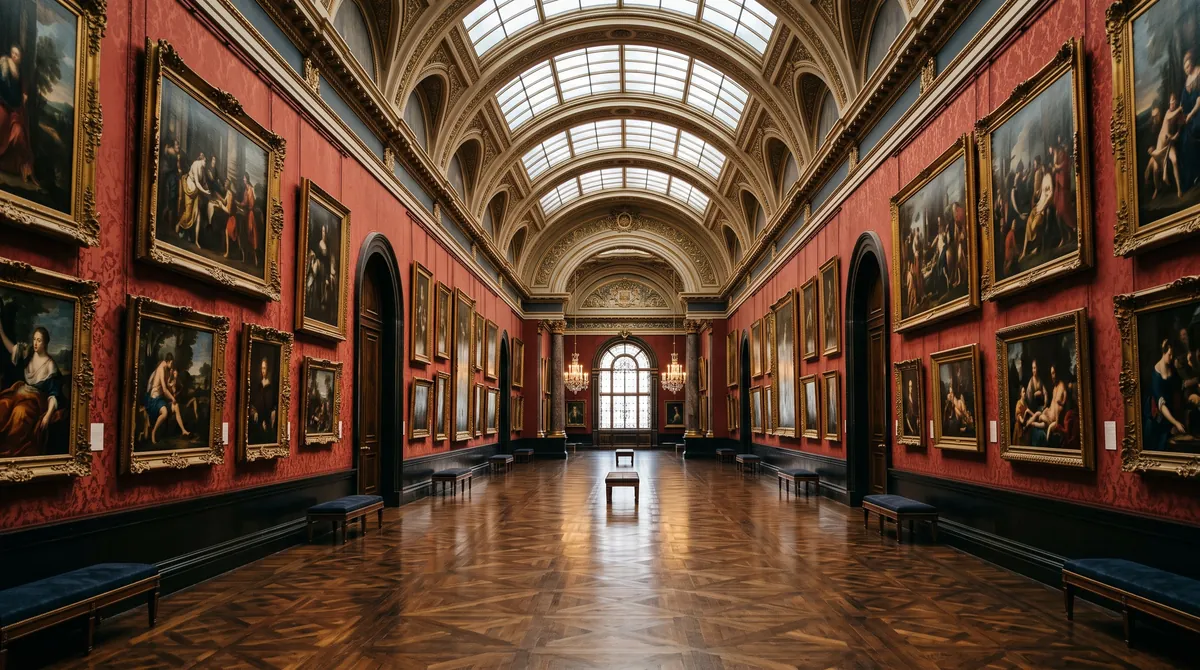

Few collections anywhere can match the paintings, drawings and decorative arts gathered by British monarchs over several centuries. Yet the is often misunderstood. It is not a private hoard and not a national museum, but something in between, with its own rules and a long and sometimes dramatic history.
Held in trust, not owned outright
The Royal Collection is one of the largest and most important art collections in the world. Its legal position is unusual: it is held in trust by the monarch for successors and for the nation, and it is not the private property of the monarch.
In practice this means the collection is not personal wealth. Each monarch receives it as a custodian and passes it on to the next. That arrangement helps to explain why so many works have stayed together for generations, in the palaces and castles for which many of them were acquired.
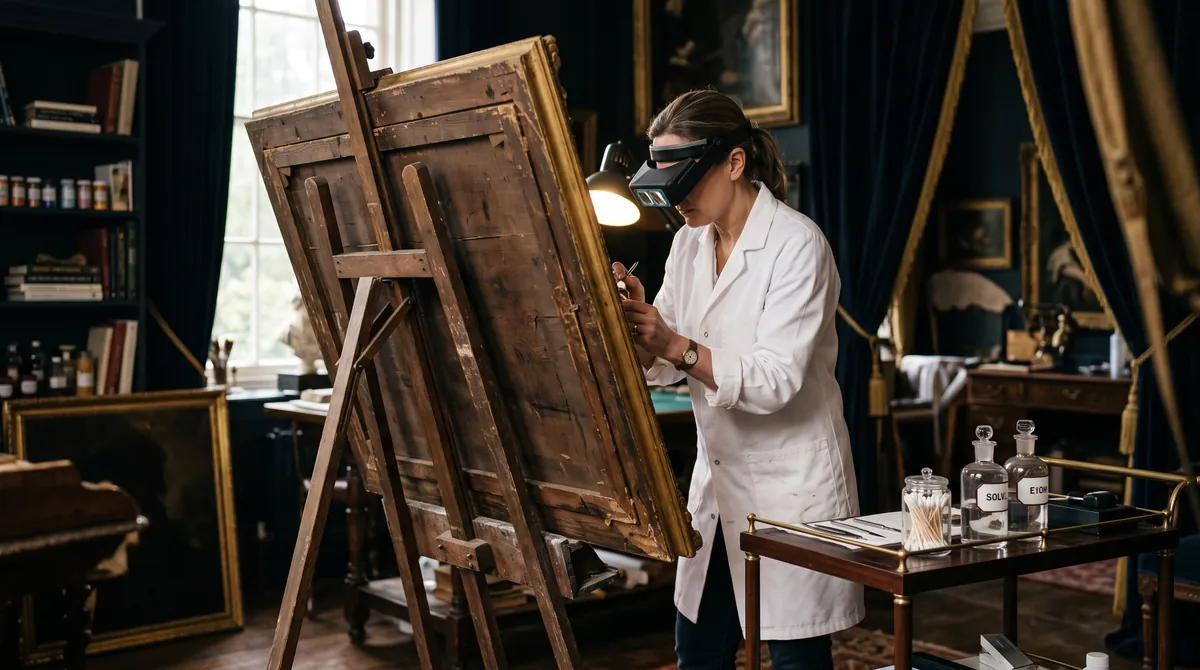
Day to day, the collection is cared for by the , a department of the Royal Household. The Trust looks after conservation, research and exhibitions, and it manages the opening of royal residences to visitors. Its work is the reason the public can see so much of the collection at all.
Each monarch receives it as a custodian and passes it on to the next.
Leonardo at Windsor
Perhaps the most remarkable holding is on paper. The Royal Collection holds the largest group of drawings by Leonardo da Vinci, kept at Windsor Castle. They include studies of anatomy, plants, water, horses and faces, and they show how Leonardo thought as much as how he drew. The anatomical sheets in particular reveal an extraordinary curiosity about how the human body works, recorded with a scientist’s precision.
Looking at these sheets is a little like reading over the shoulder of a scientist and an artist at once. Notes, sketches and careful observation share the same page, and many drawings were working tools rather than finished pictures.
Because are sensitive to light, drawings like these cannot stay on permanent display. They are shown in carefully planned exhibitions and lent to other institutions, which is why a Leonardo drawing from Windsor may appear in a gallery far from Berkshire.
Paintings from Holbein to Canaletto
The paintings span several centuries and schools. Among the best known artists represented are Holbein, Rubens, Rembrandt, Vermeer and Canaletto. Vermeer’s The Music Lesson, a quiet interior with a young woman at a keyboard instrument and a man standing beside her, is one of the collection’s most admired pictures.
Holbein’s presence is a reminder of the Tudor court, where he worked as a portraitist for Henry VIII. Canaletto’s views of Venice, meanwhile, reflect the eighteenth century taste for travel and the Grand Tour. Rembrandt and Rubens bring the great traditions of Dutch and Flemish painting.
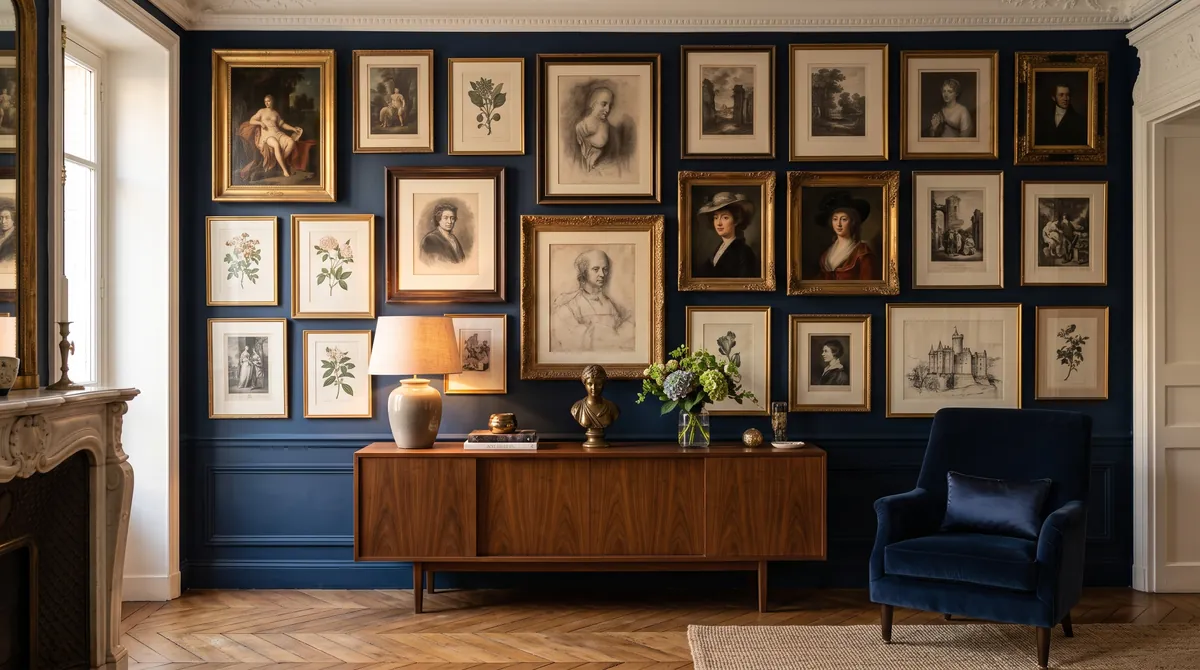
Taken together, the paintings read like a history of royal taste. Each generation added what it admired, and the result is less a planned museum than a long conversation between monarchs, artists and the fashions of their time.
Charles I and the collection that was sold
Among English monarchs, Charles I was one of the greatest collectors. He bought and commissioned paintings of exceptional quality, and his court became a place where European art was studied and prized.
After his execution in 1649, much of his collection was sold. Works were dispersed across Europe and into private hands. When the monarchy was restored in 1660, parts of the collection were recovered, but many pictures never came back and now belong to other great collections.
The episode is a vivid lesson in provenance. Inventories made during his reign and at the time of the sale still help scholars to trace which paintings belonged to him, and a royal connection of that kind remains a powerful part of a picture’s history wherever it hangs today.
More than pictures
Paintings and drawings are only part of the story. The collection also includes furniture, porcelain, sculpture, arms and armour, books, manuscripts and photographs, much of it still in the rooms for which it was made or bought. In a state apartment, the chairs, clocks and chandeliers belong to the collection as surely as the canvases on the walls.
This is one of the real pleasures of a visit. In a museum gallery a painting often hangs alone; in a palace it sits among the objects of its own world, and you begin to see how art was actually lived with at court.
Where you can see it
The collection is not hidden away. You can see works from it at the King’s Gallery at Buckingham Palace, formerly the Queen’s Gallery, and at the King’s Gallery at the Palace of Holyroodhouse in Edinburgh. Both hold changing exhibitions drawn from the collection.
Windsor Castle displays art in its state apartments, and works from the collection are lent to exhibitions elsewhere. A visit to a royal residence when it is open to the public is, in effect, a visit to a museum that is still in use. Because these are working residences, opening times vary through the year and rooms may close for official occasions, so it pays to plan ahead.
Whichever door you choose, remember what you are looking at. These works are not a monarch’s private possessions on show but a shared inheritance, held in trust for the future and cared for so that later generations can see them too.
Glossary
- Royal Collection
- The art and objects held in trust by the British monarch for successors and the nation.
- Royal Collection Trust
- The department of the Royal Household that cares for the collection, its exhibitions and research.
- Restoration
- In English history, the return of the monarchy in 1660 under Charles II.
- Works on paper
- Drawings, watercolours and prints, which are sensitive to light and shown only for limited periods.
Questions readers ask
Does the monarch personally own the Royal Collection?
No. The collection is held in trust by the monarch for successors and for the nation, and it is not the monarch’s private property. That status is designed to keep it together and pass it on intact. It is cared for by the Royal Collection Trust, a department of the Royal Household, which looks after conservation, research and public access.
Where can I see works from the Royal Collection?
The main venues are the King’s Gallery at Buckingham Palace in London and the King’s Gallery at the Palace of Holyroodhouse in Edinburgh, which both hold changing exhibitions. Windsor Castle shows art in its state apartments, and works are lent to exhibitions in other museums. Check opening times in advance, as royal residences are not open to visitors every day of the year.