Record breakers: the jewels and watches that made auction history
A pink diamond, a blue diamond, two famous watches and a film star’s jewellery: what record sales reveal about rarity, story and provenance.

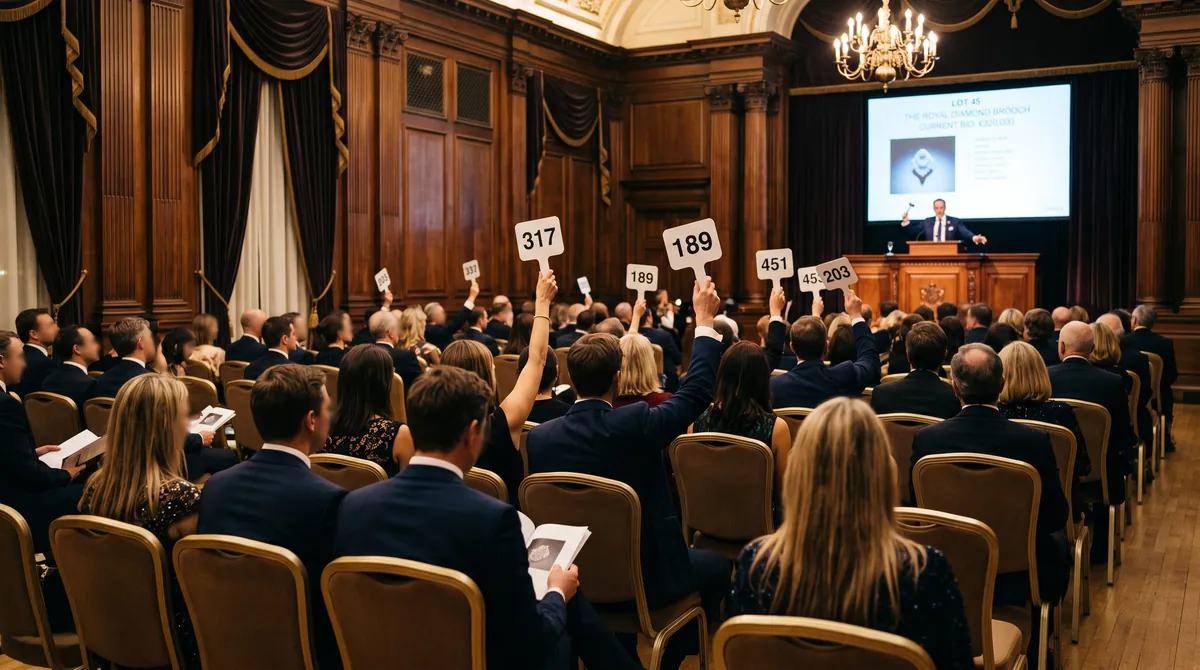
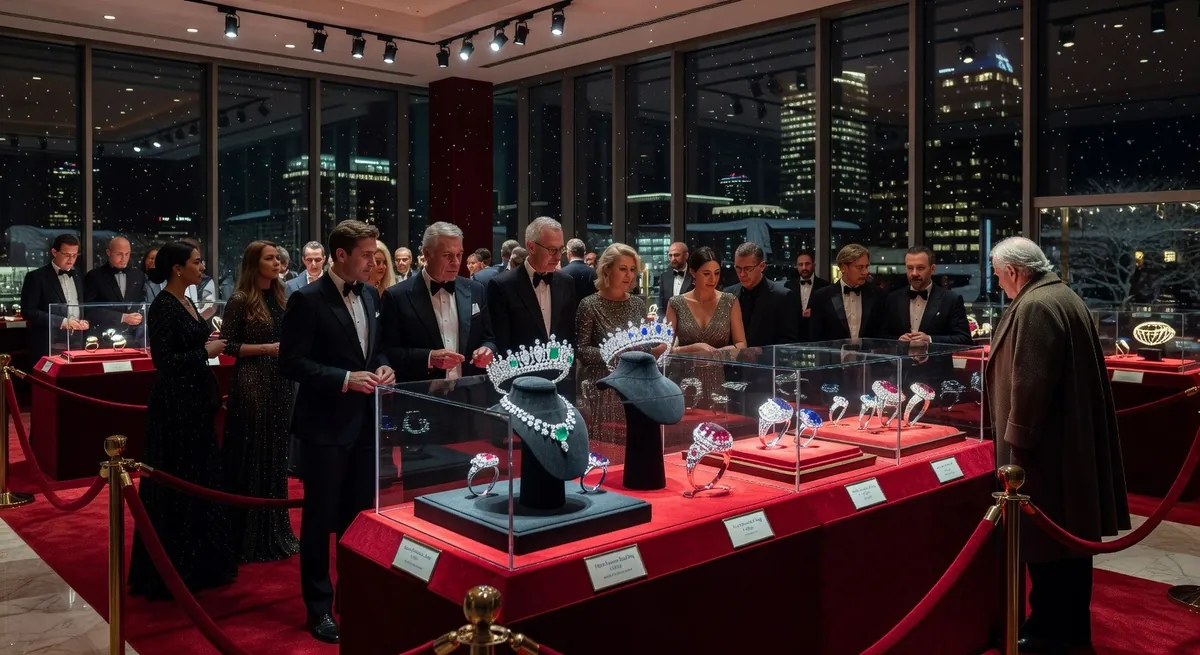
Auction records make headlines for their numbers, but the numbers are the least interesting part. Each record sale is a lesson in what collectors value most when everything comes together: rarity, condition, a compelling story and the names attached to an object. Here are five sales that show how it works, and what they can teach anyone who collects at a more modest level.
The Pink Star: colour at its most extreme
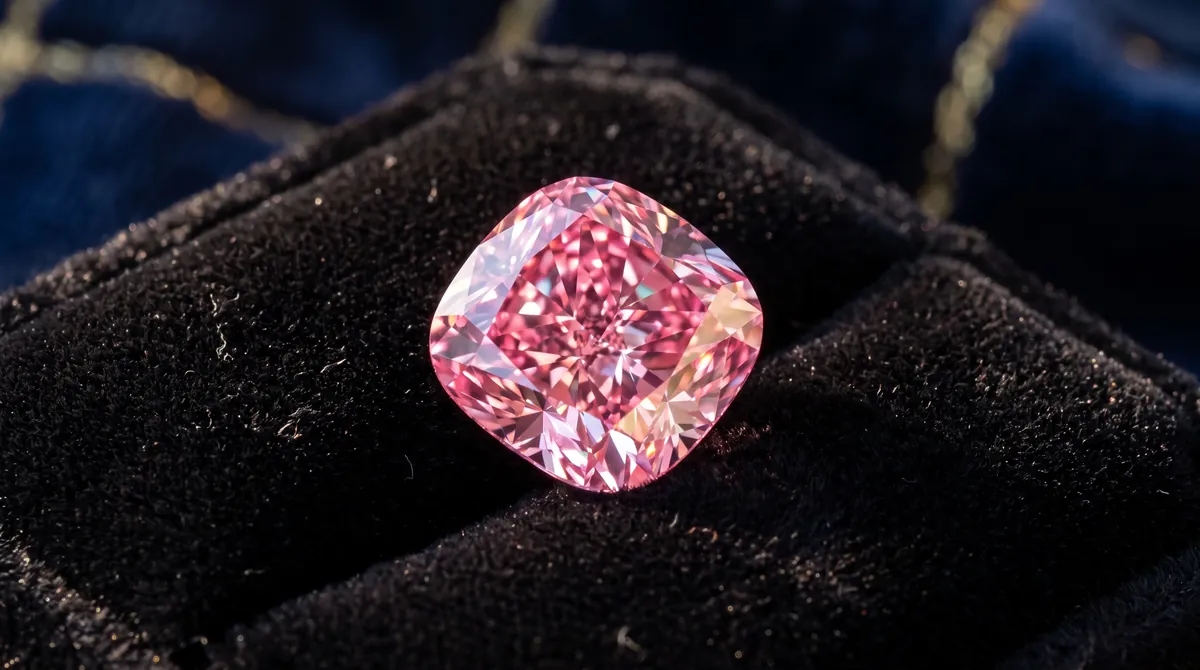
In April 2017 Sotheby’s in Hong Kong sold the Pink Star, a vivid pink diamond of 59.60 carats. It fetched HK$553 million, about 71.2 million US dollars, which at the time was a record for any gemstone at auction.
Size alone does not explain the price. Pink diamonds are rare at any weight, and a stone of nearly 60 carats with vivid colour sits in a category of its own. There was simply nothing comparable for bidders to measure it against. When an object is close to unique, there is no obvious ceiling.
Coloured diamonds are graded on their own scale, separate from the familiar one used for white stones, and the strength of colour matters enormously. A pale pink and a vivid pink of the same size belong to very different markets.
When an object is close to unique, there is no obvious ceiling.
The Oppenheimer Blue: a sale in Geneva
A year earlier, in May 2016, Christie’s in Geneva sold the Oppenheimer Blue, a blue diamond of 14.62 carats, for about 57.5 million US dollars.
Compare the weights. The Oppenheimer Blue is roughly a quarter of the size of the Pink Star, yet it achieved a price in the same broad league. For coloured diamonds, colour and rarity set the price long before weight does. A named stone also carries a sense of history that a plain description in a catalogue cannot match.
Geneva and Hong Kong are not chance locations. Both cities host major jewellery sales, and they bring together collectors from many countries in a single room or on a single telephone bank. Competition among an international field of bidders is part of what makes record prices possible.
Watches: when a name becomes the story
Watches reached milestones of their own in the same years. In October 2017 Phillips in New York sold Paul Newman’s own Rolex Cosmograph Daytona, reference 6239, for 17.8 million US dollars.
Many Daytonas exist. What made this one exceptional was ownership. Collectors had long used the nickname “Paul Newman” for a particular dial style on vintage Daytonas, so the appearance of the actor’s own watch at auction joined a famous model to the man behind its nickname. The story was the rarity.
Two years later, in November 2019, the Patek Philippe Grandmaster Chime reference 6300A-010 sold for 31 million Swiss francs at the Only Watch charity auction in Geneva, a record for a wristwatch at auction. It was a in steel, an unusual metal for such a complicated watch from the house.
Here rarity worked in the simplest way possible. There was only one, and the sale was for charity, which gave bidders one more reason to go further. A unique object offered once, for a good cause, is about as strong a combination as the auction world knows.
Elizabeth Taylor: provenance as the prize
In December 2011 Christie’s in New York sold the jewellery collection of Elizabeth Taylor for well over 100 million US dollars. Many of the pieces were fine jewels by any standard, but their prices reflected something more: the life of one of the best known film stars of the twentieth century.
The sale included La Peregrina, a famous natural pearl once owned by Spanish monarchs, which sold for more than 11 million dollars. The pearl had a royal history long before it reached Hollywood, so it carried two layers of provenance at once. Few objects can claim both a royal and a cinematic biography.
A famous collection works like a shared provenance. Every piece in it carries the same name, and that name can add to the appeal of even the more modest jewels in the sale.
What a record figure actually measures
When you compare records, check what each figure includes. Auction houses usually publish the , which adds the buyer’s premium to the hammer price, so a headline figure is higher than the winning bid itself. A dollar price for a sale held in Hong Kong or Geneva is also a conversion from the currency of the sale, which is why the Pink Star can appear as HK$553 million in one report and as about 71.2 million dollars in another.
Records are also tied to a date. The words “at the time” matter: the Pink Star set its gemstone record in 2017, and any record can later be overtaken. A careful reader always notes the year alongside the number, and the currency alongside the year.
What the records teach ordinary collectors
Few readers will ever bid on a pink diamond. Yet the logic behind these sales applies at every level of the market. Records are driven by rarity, condition, the story of the object and the names attached to it, and the same four forces shape the price of a modest brooch or a vintage watch.
- Rarity: ask how many comparable objects exist and how often they come to market.
- Condition: originality and good preservation matter as much as the design.
- Story: a documented history makes an object memorable.
- Names: a known maker or a distinguished owner adds confidence and desire.
Records also remind us that an auction price reflects a single moment, with particular bidders in a particular room. They show what was possible on one day, not what similar objects will fetch on another. Treat them as stories about value, not as price lists.
Glossary
- Fancy vivid
- A colour grade for coloured diamonds describing strong, saturated colour, as in the Oppenheimer Blue.
- Unique piece
- A watch or jewel made only once, often for a special occasion or a charity sale.
- Price realised
- The total paid at auction: the hammer price plus the buyer’s premium and applicable taxes.
- Reference number
- The model code a watchmaker gives a design, such as 6239 for an early Rolex Cosmograph Daytona.
Questions readers ask
Are auction records the same as market values?
No. A record shows what one buyer paid on one day, often after intense competition between a few determined bidders. It is a useful reference, but similar objects will not necessarily reach similar prices later. Values depend on condition, rarity and provenance, and on who happens to be bidding when an object comes to market.
Why do named diamonds attract such high prices?
A name usually signals that a stone is exceptional and that its history is known. Named diamonds tend to be rare in size or colour, and many have passed through notable collections. That combination of rarity and documented story gives bidders confidence and makes the stone memorable, which is why named gems appear so often among the highest prices.